


 Nov 14, 2025
 3 min read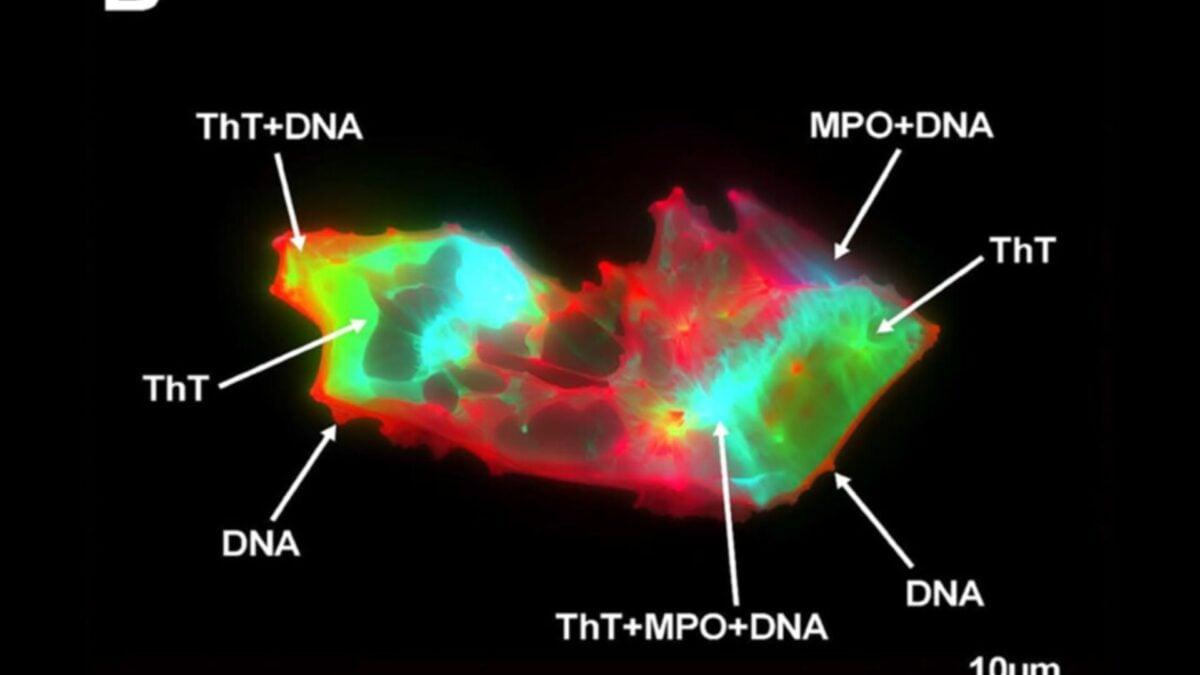
The research allows scientists to better know and understand complex phenomena.
Scientists may find an important reason for long-term covid.Recent studies show that the blood of these patients often contains clumps of unusual microscopic material.
Researchers from South Africa's Stellenbosch University looked at the blood of people with and without Covid over the long term.Those with chronic disease had higher numbers of microclots combined with mesh-like structures called neutrophil extracellular traps (NETs), the study found.The findings may help doctors better identify long-term cases of Covid and may even help explain some of the symptoms these patients experience, the researchers say.
"Our findings represent a major advance in understanding the interaction between NETs and microthrombi during prolonged COVID-19 infection," the researchers said in a paper published last month in the Journal of Medical Virology.
Microclots and nets
Long Covid is a complex condition and may be caused by a combination of factors, including persistence of the virus or a persistent dysfunctional response to Confid infection.But some studies have suggested that symptoms of a chronic illness, such as persistent fatigue or brain fog, may be linked to chronic inflammation and certain blood disorders, at least in some cases.
The team's work in the past and others have found that people with high covids have more particles like -yat that are not particles, microsboklots, for example.Other researchers have found that patients with the disease also have nets, the stress response made by immune cells that help catch the trap.Although the nets are important in collecting infections, their fat may contribute to harmful inflammation.
In this latest research, the Stellenbosch team wanted to better understand how NETs and microclots found in chronic Covid patients might interact with each other, if at all.They compared the blood of 50 people diagnosed with chronic Covid with healthy controls.
They found that people with long cawe have a higher biome level related to mesh and microclots as controls.Long Covoid patients seemed to have greater microclots in average.And perhaps most importantly, those with long solid seemed to have more microclots that are connected to mesh.
According to the researchers, the mesh may play an important role in keeping the microorganisms safe from the body, which could explain why long-term covid symptoms continue.
"We believe that more products can support the stabilization of microthrombi in the effects, potentially contributing to the static effect of LC Syndrome," they wrote.So, they added, looking for a safe and effective way to remove microthrombi and nets may also have symptoms.
A lot of research is needed
While these findings are intriguing, they are certainly not the end of the road.
Although research has found that people with prolonged dating are more likely to develop microclots, for example, it is not yet clear whether these structures can cause disease in humans.Given the complex nature of the complex, it is certainly possible for Kovevid to be prolonged in some people who are specifically associated with these particles.
The researchers say their work could help doctors develop tests that can more easily detect long-term memory problems — something that's not possible today.In the current study, they developed an algorithm that accurately distinguished between long-term patients and long-term controls based on their unique biomarkers.
Although Covid-19 is no longer the epidemic threat it once was, the infectious disease has not disappeared.And millions of people around the world are still thought to be suffering from chronic Covid.The more we understand about its mechanisms, the greater the chance that we can develop effective treatments for these individuals.