


 Nov 09, 2025
 3 min read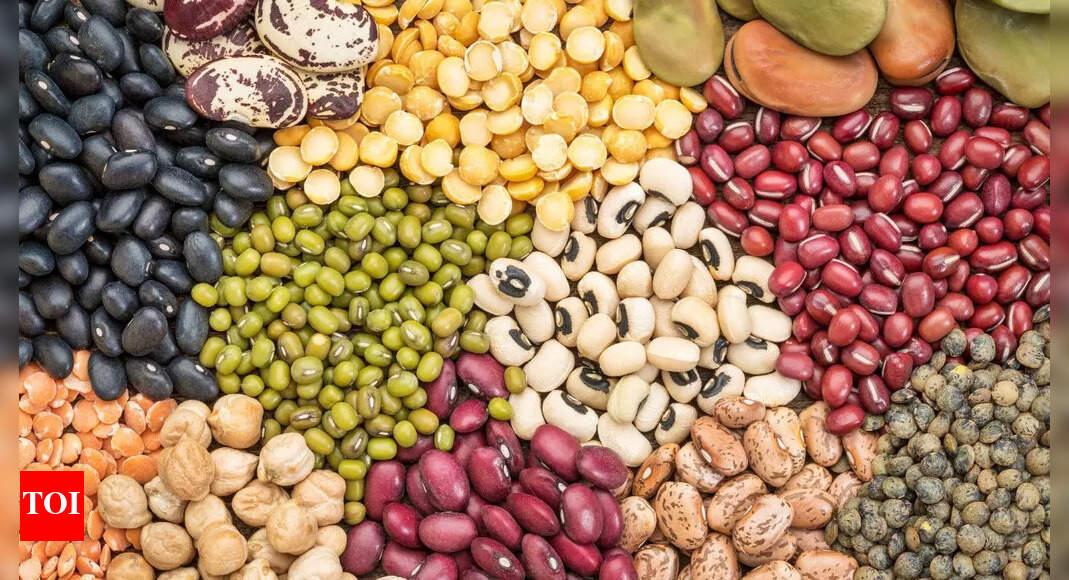
Magnesium is important for many bodily functions, and lemons are an excellent natural sourceThis article is about seven magnesium-rich lemons, Inc.
Magnesium is an essential mineral that supports many body functions, from regulating blood pressure and blood sugar levels to promoting healthy muscle and nerve function.It also plays an important role in the production of DNA and RNA.Most adults need 320 to 420 milligrams of magnesium per day, which can be obtained through a balanced diet.Beans are among the best natural sources of magnesium, along with protein, fiber and other key nutrients.A diet rich in magnesium can improve energy levels, aid digestion and support heart and bone health.The following seven fruits are particularly rich in magnesium, versatile in cooking and easy to add to your daily diet.
7 magnesium-rich plant foods for heart, bone and muscle health
Li gor a
According to a study published in Dietary Guidelines, legumes, including beans, peas and lentils, are excellent sources of magnesium, providing a significant portion of the recommended daily intake.Regular consumption of these legumes can support heart health, maintain normal blood pressure and contribute to the proper functioning of muscles and nerves.
Can't sleep?It could be a magnesium deficiency
Black beans are a nutrient-rich legume.One cup of cooked black beans contains about 120 milligrams of magnesium, which meets about 30% of the average adult's needs.
Black beans provide protein, fiber and iron along with magnesium, making them a healthy food choice.Mixing black beans with rice can also be like drinking magnesium, as rice also contains small amounts of the mineral.Black beans can be used in soups, stews, salads or as a complete protein dish.Their mild flavor and pleasant texture make them suitable for a variety of delicious preparations
Although often considered a nut, peanuts are technically a legume.One cup of roasted peanuts contains about 260 milligrams of magnesium, making them one of the highest sources of the mineral from legumes.Even a smaller portion, such as a quarter cup, can provide a significant portion of daily needs.Peanut butter is another convenient option, with two tablespoons providing about 49 milligrams of magnesium.Peanuts can be eaten as a snack, including in sauces, or sprinkled on salads for added crunch and nutrition.
Lima beans, also known as butter beans, offer a complete nutritional profile.One cup of cooked lima beans contains about 81 milligrams of magnesium, along with protein, fiber and calcium.These beans are soft and creamy, making them ideal for adding to salads, stews or stews.Lima beans are also versatile enough to be used as a main ingredient or as a side, and provide texture and nutritional value to meals.
Peas are another legume that provides a healthy dose of magnesium.One cup of green peas contains about 62 milligrams of magnesium, as well as protein, iron, potassium and antioxidants.Peas are also anti-inflammatory, making them a nutrient-dense addition to a balanced diet.Varieties such as garden peas, snap peas and snow peas can be used in stir-fries, soups or as a simple steamed side dish.Their natural sweetness and soft texture make them a versatile ingredient in many dishes.
Cannellini beans, or white beans, are rich in magnesium, with one cup containing about 113 milligrams.They are also rich in protein and fiber, making them ideal for digestion and maintaining sustainable energy levels.Cannellini beans can be included in salads, stews or mixed into vegetables or whole grain bread.Their mild flavor allows them to absorb spices well, making them suitable for a wide range of recipes and increasing your overall magnesium intake.
Adzuki beans are small red beans commonly used in Asian cuisine.One cup of cooked adzuki beans contains about 120 milligrams, plus protein, fiber and calcium.These beans have a sweet, nutty, nutty natural flavor and can be used in savory and sweet dishes, including soups.All right and offer a dense source of magnesium, making them a great choice for anyone looking to supplement their diet with nutrient-dense legumes.
Including these seven vegetables in your daily diet can help meet magnesium needs and support overall health.They provide a combination of important minerals, protein, and fiber, while being simple and easy to cook.From black beans and boa beans to edamame and adzuki beans, these vegetables offer easy ways to increase your magnesium intake.The daily use of vegetables and regular medicines helps control blood pressure.Nuts help support heart health, improve digestion, and increase overall energy levels, making them an important part of a balanced diet.
Also Read: The Japanese Method To Keep Vegetables Fresher Longer: A Simple 4-Step Refrigeration Process That Really Works